The decline in transaction volumes has continued for three consecutive quarters. After growth of 2.9%, 2.8% and 9.2% in the first three quarters of 2025, transaction volume fell by 22.5% in the fourth quarter. The drop was 18.5% in the first quarter of 2026, and 18.1% in the second quarter. Large cities sank particularly strongly: in Burgas, the decline reached 24%, in Varna and Sofia - about 17%.
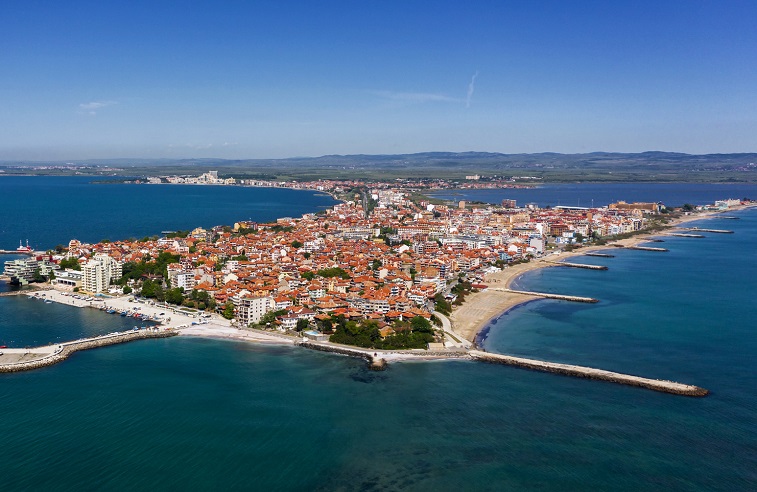
At the same time, prices in most cities continue to rise. During the quarter, Plovdiv gained 5.8%, Stara Zagora 2.9%, Varna 2.8%, Sofia 2.4%. The only major city with a quarterly decline was Burgas (1.5%), although it showed the strongest year-on-year growth of 17.7%. The reason is the limited supply: the sea and lakes do not allow the city to expand, new construction is possible only in certain areas. The accumulated price growth is impressive: from mid-2024 to mid-2026, the overall index grew by 33.4%.
The behavior of market participants is also changing. Real estate agents note that the number of views has noticeably decreased, and after Bulgaria joined the euro area, buyers who purchase without the intention of living have left the market. At the same time, the number of properties for sale increased by more than 40% year-on-year. Buyers have more time to choose. About half of the deals are now concluded with a discount of 2% to 10%.
Average prices vary significantly by region. In Sofia, a square meter costs about 2,600 euros, in Varna and Burgas it costs about 1,900 euros, in Plovdiv it is slightly lower, and in small towns it is below 1,000 euros. Mortgage financing remains an important driver: in Sofia, 74% of transactions are already carried out with the involvement of bank loans, and the average rate on new housing loans is about 2.43%. However, experts warn that the era of "cheap money" may be coming to an end, and a rate correction is expected next year.
Opinions on the further development of the market differ: realtors expect a moderate decrease in prices by 5-15% by the end of the year, while analysts predict at least a plateau and stabilization at current levels. Anyway, the seller's market, which lasted for more than ten years, is gradually giving way to the buyer's market.
Sources: BNT News, Economic.bg