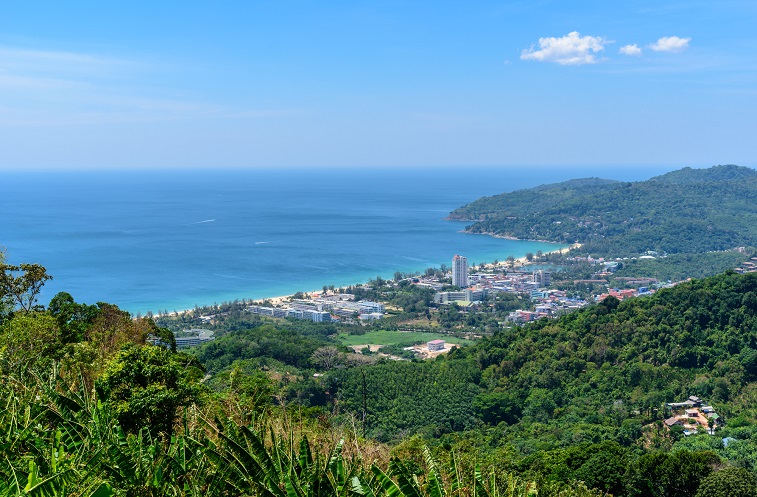
The southern islands are of particular concern. On Koh Phangan and neighboring Koh Samui, almost 70% of the 16,800 registered companies have foreign co-owners. For comparison, the national average share of such legal entities is about 12%. The authorities have identified more than 240 enterprises with co-founders of citizens of Russia, Germany, Israel, Switzerland, France, and opened with the involvement of fake nominal owners. Thousands more companies are being checked.
The government links ownership schemes through nominal owners not only with economic, but also with criminal risks. In 2024, the police uncovered a Chinese-led fraudulent network in Chonburi province: some of the stolen money was converted into cryptocurrency, some into Thai real estate through companies registered with Thai front persons. The Ministry of Commerce is checking about 140 accountants from 29 firms that are shareholders of more than 2,000 companies with foreign participation and total investments of 2.5 billion baht.
Despite the rising tensions, we are not talking about closing the country to foreigners. Thailand remains dependent on tourism: the industry employs about 4 million people, and the sector's share in GDP reaches one fifth. The government emphasizes that it encourages foreign investment, but only on condition of "full compliance with the law." Local entrepreneurs and representatives of the tourism sector also say that the problem is not the newcomers themselves, but unfair schemes and disrespect for local culture.
"The people of Phangan have always been famous for their cordiality and hospitality," recalls Naruemon Maisopa, president of the Phangan Island Hotel and Tourism Association. "Locals have simply become more discerning about the people and partners they are willing to accept in their community." According to her, most foreigners are still welcome, and the current measures are an attempt to restore order, not a reason to panic. With the high tourist season approaching, the southern beaches of Thailand, as before, are preparing to receive millions of guests.
Source: Bloomberg